What if taking care of your mental health also meant exploring paths beyond the ones you already know?
Did you know there are many alternative therapies that complement traditional therapy? Approaches that are sometimes surprising, often gentle and pleasant to practice, and that can truly bring relief. In this article, I’ll take you through these methods, how they work, and what science has to say about them.
What are the different types of alternative therapy?
There are many types of alternative therapies.
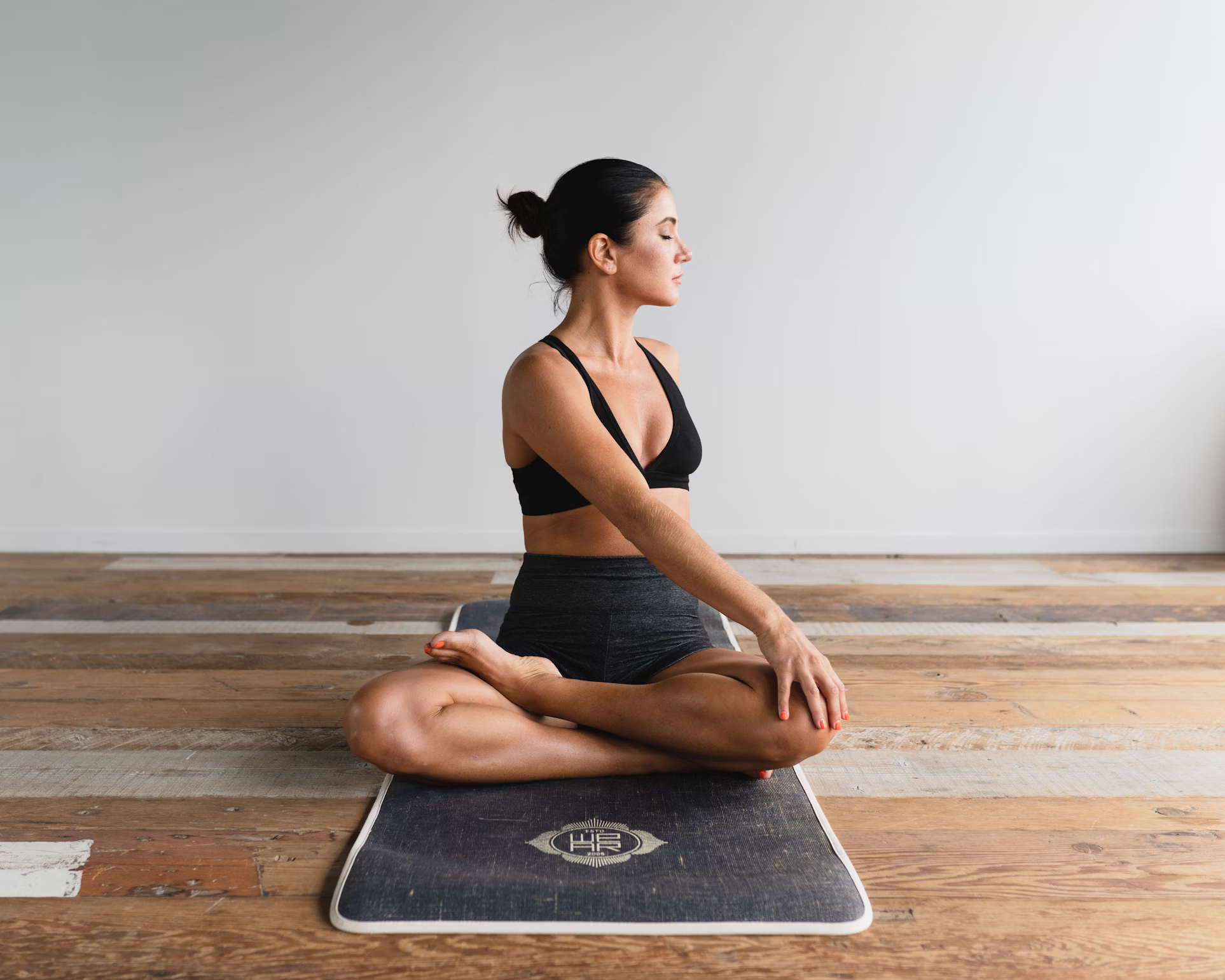
Mind–body therapies acknowledge the link between the physical body, emotions, and the mind. These include meditation, mindfulness, yoga, hypnotherapy (using hypnosis to access an altered state of consciousness), relaxation, and many others.
Creative therapies use artistic methods to help individuals express or explore their emotions. This can include visual arts (drawing, painting, etc.), music, role-play, writing, or movement.
We also find narrative and expressive therapies, which overlap somewhat with creative therapies, but place writing and/or storytelling at the core of the process. (For this, I’ll refer you to the article on therapeutic writing, which explores this topic in depth.)
There are nature-based and sensory therapies such as forest therapy (mindful immersion in nature), aromatherapy (use of essential oils), and animal-assisted therapy.
Finally, there are energy or symbolic therapies, rooted in cultural, symbolic, or spiritual traditions. Their effectiveness is more controversial than the other approaches.
And what about Letters to the Heart?
The term micro-therapy does not (yet) officially exist, but there are therapies that fit the concept:
- Single-session therapy (SST): one therapy session to address a specific issue.
- Brief therapy: a limited number of sessions (between 1 and 10).
- Low-intensity interventions: lighter, quicker, and more accessible than traditional therapy.
- Digital micro-interventions: this is exactly what Letters to the Heart does (see the dedicated article).
- Solution-focused therapy: a short, goal-oriented therapy designed to solve a specific issue (see also the dedicated article).
- Just-in-time adaptive interventions (JITAI): technology-based interventions (often AI-driven) that send supportive messages at the right time during a crisis. For example, if someone has previously experienced a panic attack in a metro station, an app can detect—via GPS, pulse measurement, etc.—that stress is rising in the same place and send a preventive message to calm the person down.
When are these therapies used?
Alternative therapies are often used alongside psychological or medical care, but also when someone is looking for another way to take care of themselves. People turn to them during times of stress, emotional fatigue, or when they feel the need to recenter, to calm down, or to better understand what they are going through.
Some discover them between two therapy sessions, others when they cannot find immediate help or prefer gentler, more creative, or more body-focused approaches. They may also accompany periods of transition, such as grief, a breakup, burnout, or simply a desire for well-being. These therapies are often valuable entry points or supports in a personal journey.
What scientific evidence supports their effectiveness?
Many studies point in the same direction: some so-called “alternative” approaches can really help when used as a complement to medical or psychological care.
For example, a large scientific review showed that mindfulness meditation can have very positive effects on disorders such as schizophrenia or ADHD. It is also useful for people with post-traumatic stress disorder, though the effect is somewhat more moderate. Yoga also appears beneficial, but with lighter effects when used alone (Vancampfort et al., 2020).
Another study focused on more severe mental health disorders such as major depression, bipolar disorder, or schizophrenia. It concluded that practices like yoga or mindfulness can significantly improve anxiety, concentration, and overall functioning. These approaches are therefore seen as good complements to standard treatments (Werntz et al., 2023).
As for art therapy, research is still ongoing, but early data are promising. Some studies suggest that art can help manage anxiety, sadness, and stress—especially when practiced in a therapeutic setting. It is not about curing, but about offering a space for expression that can effectively complement other treatments (Azaiza et al., 2022).
JITAIs are still at an early stage in mental health, but initial studies show they are easy to use and produce encouraging effects on difficulties such as stress, anxiety, or sleep problems (van Genugten et al., 2025; Henry et al., 2025).
Why add these therapies alongside conventional ones?
Many people choose to add alternative therapies to their medical or psychological care to feel more holistically supported. It is not about replacing conventional therapy, but about reinforcing and supporting it.
Practices such as meditation, yoga, writing, or art therapy can help manage anxiety, calm stress, or put words (or images) to what one is experiencing. They often allow people to understand themselves better, to refocus, or simply to feel active in their own journey.
Some also find in them a gentler, more personal, or more creative way of reconnecting with themselves—especially when words alone are not enough or when the mind keeps spinning in circles.
In short, these are gentle breaths in the care journey, small supportive gestures that, alongside conventional care, can lighten the heart, calm the mind… and sometimes make all the difference.
Sources
- Azaiza, F., Czamanski-Cohen, J., & Hebi, M. (2022). Role of art therapy in the promotion of mental health: A critical review. Cureus, 14(6), e26149.
- Henry, L. M., Blay-Tofey, M., Haeffner, C. E., Raymond, C. N., Tandilashvili, E., Terry, N., Kiderman, M., Metcalf, O., Brotman, M. A., & Lopez-Guzman, S. (2025). Just-In-Time Adaptive Interventions to Promote Behavioral Health: Protocol for a Systematic Review. JMIR Research Protocols, 14, e58917.
- Vancampfort, D., Stubbs, B., Van Damme, T., Smith, L., Hallgren, M., Schuch, F., Deenik, J., Rosenbaum, S., Ashdown-Franks, G., Mugisha, J., & Firth, J. (2020). The efficacy of meditation-based mind-body interventions for mental disorders: A meta-review of 17 meta-analyses of randomized controlled trials. Journal of Psychiatric Research, 134, 181–191.
- van Genugten, C., Thong, M., van Ballegooijen, W., Kleiboer, A., Spruijt-Metz, D., Smit, A., Sprangers, M., Terhorst, Y., & Riper, H. (2025). Beyond the current state of just-in-time adaptive interventions in mental health: A qualitative systematic review. Frontiers in Digital Health, 7, Article 1460167.
- Werntz, A., Amado, S., Jasman, M., Ervin, A., & Rhodes, J. E. (2023). Providing human support for the use of digital mental health interventions: Systematic meta-review. Journal of Medical Internet Research, 25, e42864.