This article is for anyone who feels alone in a new place, for those who carry stories that don’t always fit in, and for everyone who believes we heal better together than alone.
Healing doesn’t always happen behind closed doors — or alone. When life’s wounds are heavy, talking with others who really get it can bring a kind of relief that no pill or silent session ever could. That’s exactly what group therapy and peer support circles offer: a safe space where we sit together, share our stories, and carry the weight as a community. In Belgium and across Europe, more and more local communities are turning to these healing circles — or simply, group spaces for talking and listening — to face struggles linked to migration, identity, discrimination, or just the feeling of being lost in a new place.
What is a healing circle?
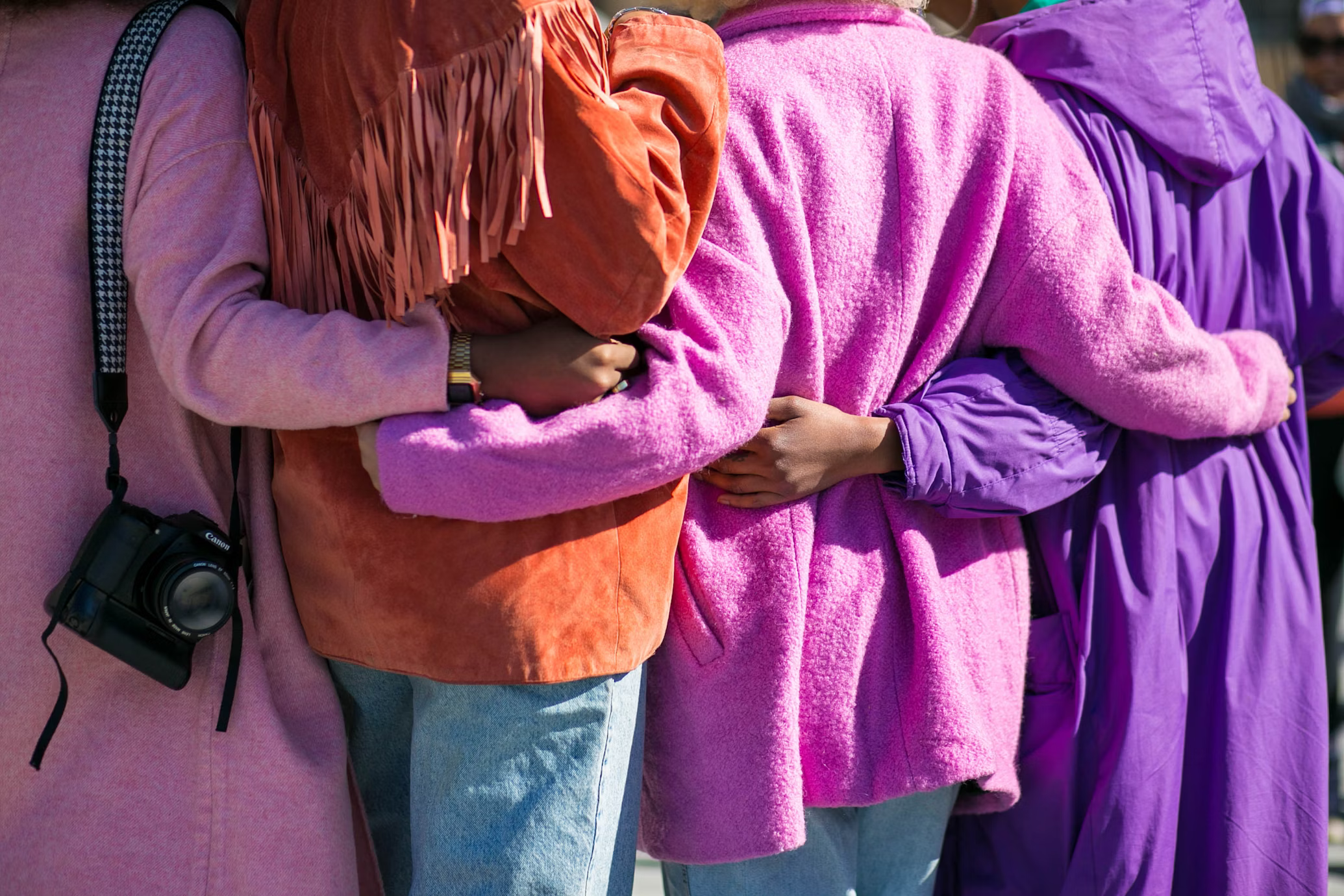
A healing circle is simply a group of people who gather — sometimes guided by a therapist, sometimes just among themselves — to talk, listen, and support each other. These circles go by many names: women’s groups, mother cafés, discussion circles for refugees, neighborhood community houses… The idea is always the same: we heal better when we don’t feel alone.
For migrants, refugees, or anyone living between cultures, these spaces can be a lifeline. Every story, language, and tradition is welcome — nothing has to be left at the door.
Why culture matters in healing
Pain does not exist separate from who we are. Our memories, roots, and the ways we connect shape how we hurt — and how we heal.
In Belgium, neighborhood organizations like Vie Féminine, Ciré, or the CAW (Centres for General Welfare Work) run circles for women, newcomers, or families fleeing war, poverty, or isolation. These are not cold clinics — they’re living rooms where someone pours tea, children play nearby, and stories of survival and hope are shared gently. Sometimes, the greatest medicine is simply being truly heard.
What science says
It’s not just a feel-good idea. A recent European study looked at peer mentoring for refugee and migrant women — exactly like those joining these circles in Belgium.
Researchers found that talking and bonding in such peer groups leads to stronger post-traumatic growth: more strength, more trust in others, and a new hope for the future. (Khawaja et al., 2022, International Journal of Environmental Research and Public Health). In other words, what happens in these circles is real, measurable healing — simply by being together.
Stories shared, strength shared
After the Brussels attacks in 2016, Belgian psychotherapist Kristin Verellen shared how vital healing circles became for the community. These gatherings initially served as a refuge to share overwhelming collective pain but quickly transformed into a space where people could regain a sense of belonging and safety—a true “home.” What is moving is that these moments, often heavy and emotionally charged, frequently gave way to lightness, smiles, and even laughter. These circles are much more than places to speak: they are spaces of social rebuilding and resilience, where shared stories become shared strengths.
Closer than we think
Healing circles might sound abstract — but look around: they’re there in mother cafés, refugee welcome centers, neighborhood houses, and local initiatives all over Belgium. Every time people sit together and listen with kindness, a circle forms.
If you’re looking for one near you, ask your local social services — you might be surprised how many circles already exist, quietly making sure no one is left alone.
One circle at a time
Healing together doesn’t take big speeches or complicated techniques. It takes people, a cup of tea, open hearts, and the courage to speak — or simply to listen. And maybe, in a world where so many feel invisible, that’s the strongest remedy we have.